Benefits of food sharing initiatives that grow and compost together
Food sharing initiatives (FSIs) that grow and compost together can deliver the following sustainability benefits:
- Social benefits: building inclusive, intergenerational communities and safe public spaces
- Economic benefits: offering affordable access to food and regenerating neglected urban land
- Environmental benefits: enhancing biodiversity, promoting sustainable urban farming, and reducing food waste through composting
- Other benefits: strengthening civic engagement, preserving cultural gardening traditions, and encouraging participatory governance
Explore benefits of food sharing from the examples of FSIs in Barcelona, Milan and Utrecht below.
GiambellOrto Community Garden ‐ Milan
After the COVID-19 pandemic, a vacant municipal plot in Milan was turned into GiambellOrto, a community garden where neighbours come together to grow food. Residents share the harvest, co-manage the land, and host events ranging from gardening workshops to cultural activities. The garden has become a hub of social cohesion, transforming neglected land into a vibrant green space. Beyond fresh vegetables, GiambellOrto offers a place where people, including migrants, retirees, and young families, can feel part of a caring community.
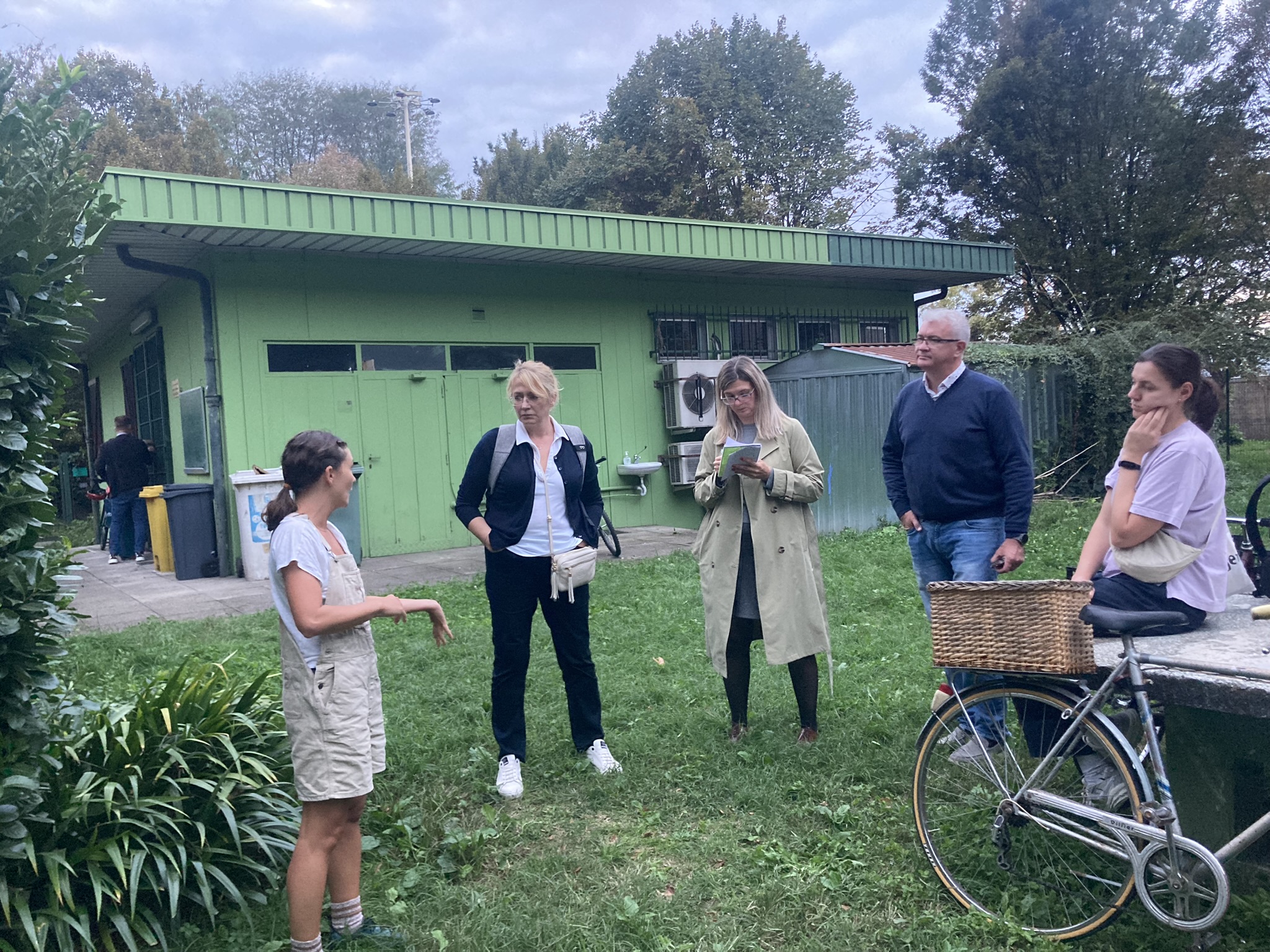
Photo credits: Jennifer Lyons, Trinity College Dublin
Hort al Terrat Rooftop Gardens ‐ Barcelona
High above Barcelona’s rooftops, municipal buildings host innovative hydroponic gardens. Hort al Terrat was designed to be accessible for people with disabilities, turning otherwise unused space into a productive, therapeutic environment. Volunteers and participants grow vegetables with the help of lightweight systems that minimise water use. Recognised with the European Public Sector Award, the project has shown how rooftop gardens can provide not only food and biodiversity but also inclusion, dignity, and joy in the middle of a dense urban landscape.

Photo credits: IIIEE, Lund University
Hole of Shame Garden ‐ Barcelona
In central Barcelona, a squatted plot known as the “Hole of Shame” has been reclaimed by residents as a community garden. Born out of activism against urban neglect, it provides green space where neighbours grow food, gather, and resist gentrification pressures. More than a garden, it is a symbol of citizen-led change: reclaiming the right to the city through collective cultivation and solidarity.
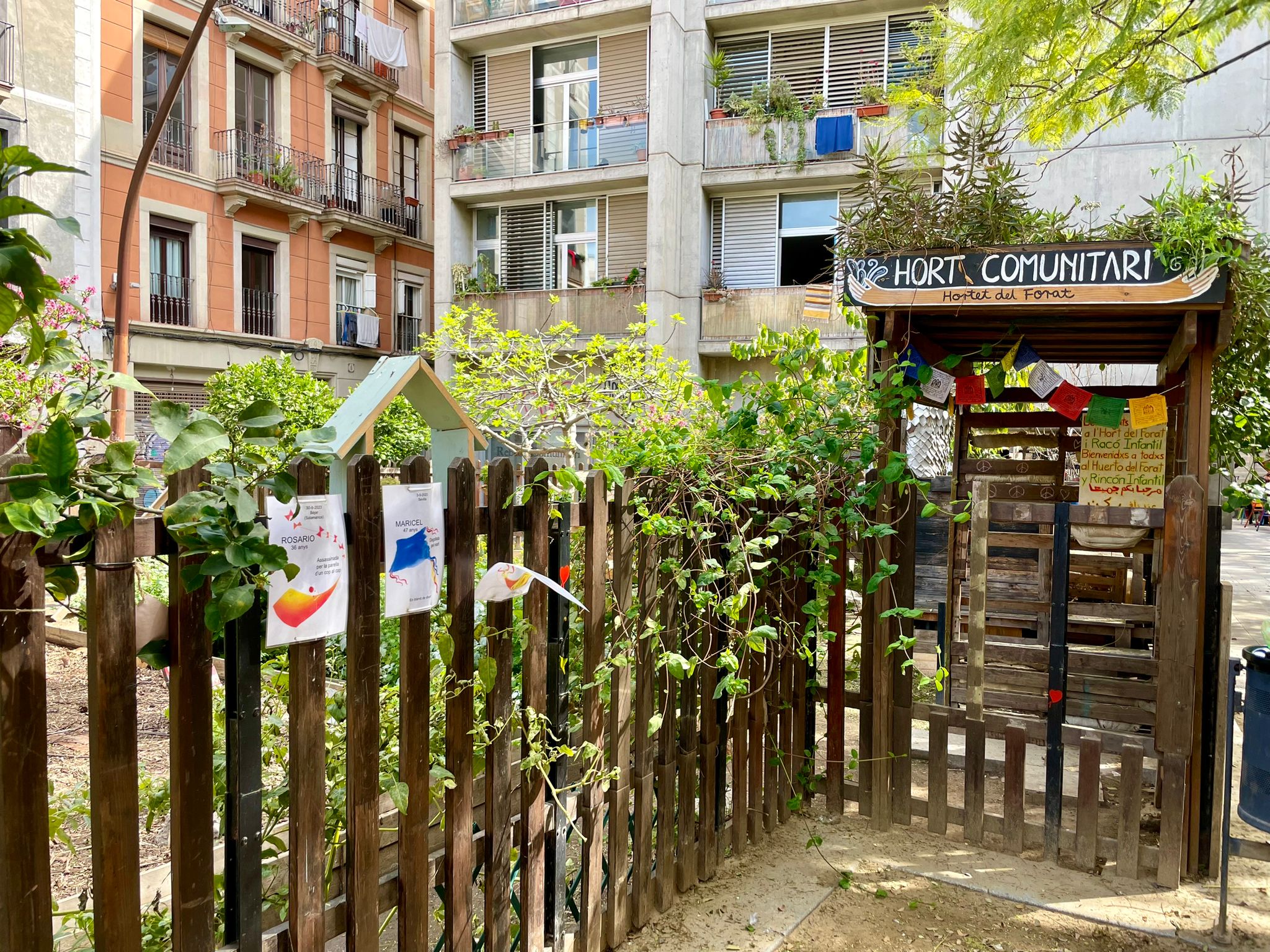
Photo credits: IIIEE, Lund Universit
Urban Garden Food for Good ‐ Utrecht
In the Kanaleneiland neighbourhood of Utrecht, an FSI Food for Good has turned municipal parkland into a community garden focused on care, rehabilitation, and social inclusion. Managed by more than 70 volunteers and supported by the network of urban gardens Utrecht Natuurlijk, the garden combines ecological practices with programmes for social reintegration. Residents grow vegetables, make candles, and prepare daily soups using produce from the garden. Some participants join through health-funded recovery initiatives. The garden also features beehives, composting, and reused materials, following a circular approach. It provides a space for growing food, meeting others, and working together in one of Utrecht’s most disadvantaged areas.
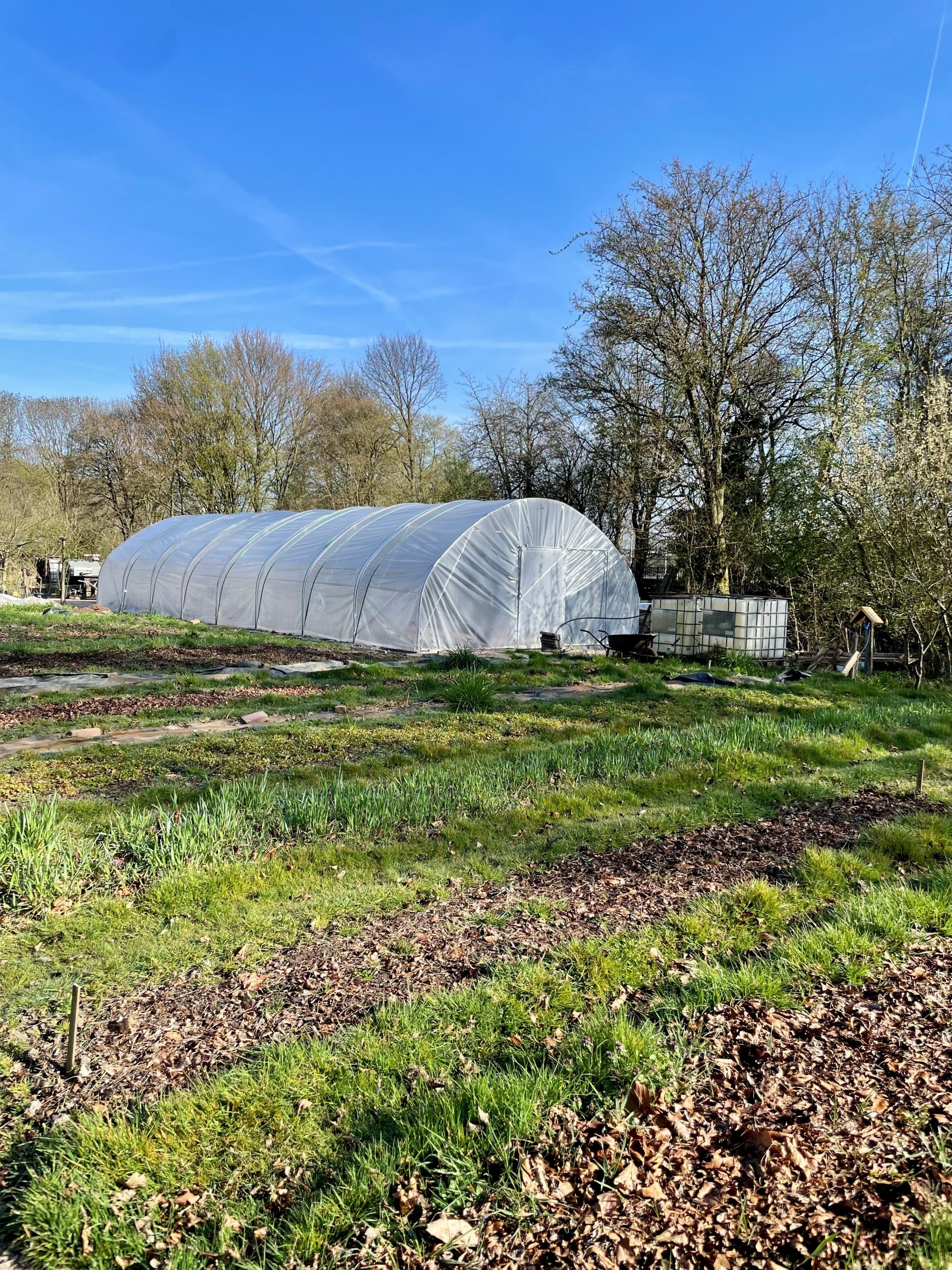
Photo credits: IIIEE, Lund University
Explore benefits of other food sharing initiatives