Benefits of food sharing initiatives that cook and eat together
Food sharing initiatives (FSIs) that cook and eat together can deliver the following sustainability benefits:
- Social benefits: building bonds across cultures, combating loneliness, fostering solidarity
- Economic benefits: providing vocational training and jobs in community kitchens and social restaurants
- Environmental benefits: using surplus food creatively, reducing waste, and promoting healthier, more sustainable diets
- Other benefits: strengthening cultural identity and emotional well-being, and supporting policy advocacy for the right to food
Explore benefits of food sharing from the examples of FSIs in Barcelona, Milan and Utrecht below.
Rob de Matt ‐ Milan
Rob de Matt is more than a bistro; it’s a social project where food becomes a tool for inclusion. The restaurant employs and trains people with psychological difficulties, migrants, and the long-term unemployed. In its kitchen, participants learn cooking and teamwork skills while serving affordable meals to the public. During the COVID-19 crisis, Rob de Matt shifted to preparing food baskets for vulnerable households, proving its resilience. Today, it continues to be a space of solidarity and cultural exchange, showing how eating together can empower both workers and guests.
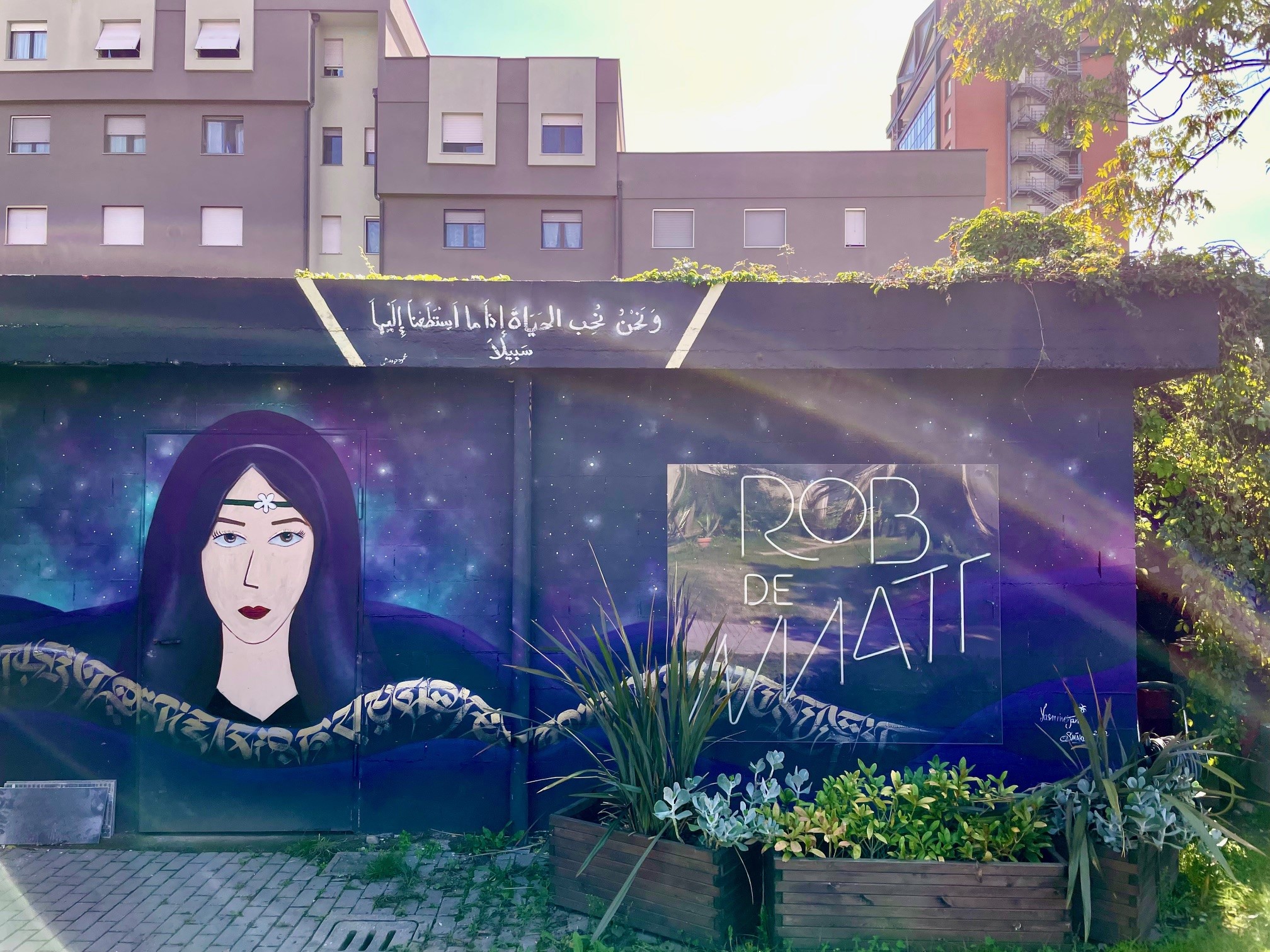
Photo credits: IIIEE, Lund University
Cuina de Barri ‐ Barcelona
In the neighbourhood of Prat de Llobregat, Cuina de Barri operates as a community kitchen where volunteers, including people with disabilities, prepare meals for locals at reduced prices. It’s not just about food, it is about fighting loneliness and offering a welcoming place where neighbours meet and support each other. With its mix of affordable meals, volunteer engagement, and social care, Cuina de Barri bridges the gap between basic needs and community spirit.
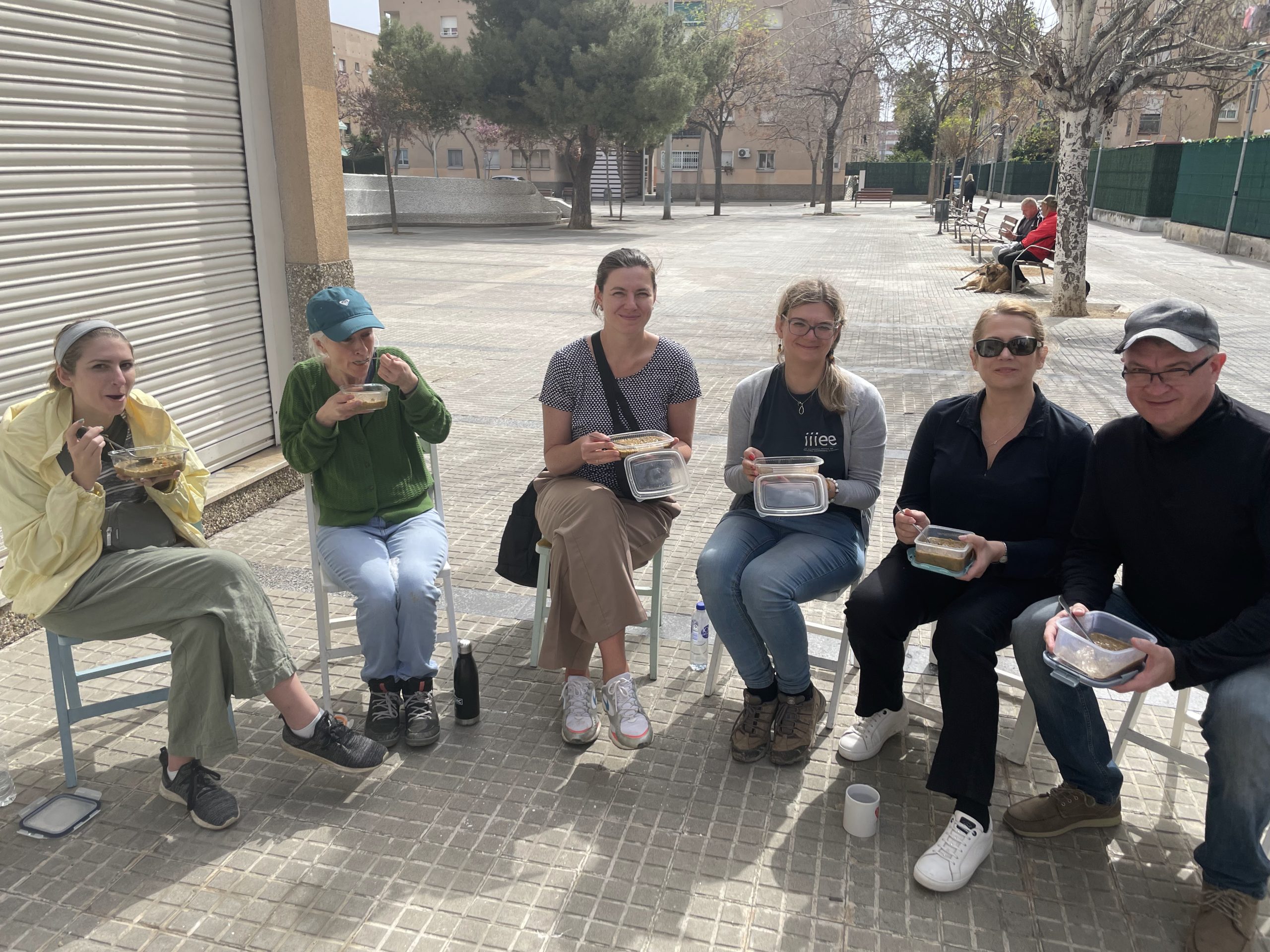
Photo credits: IIIEE, Lund University
Es Imperfect by Espigoladors ‐ Barcelona
Born from Espigoladors’ gleaning work, Es Imperfect is a social enterprise that turns surplus fruits and vegetables into soups, sauces, and jams. The brand employs people struggling to find work, giving them training and stable income. By selling value-added products, it also supports farmers, who gain from produce that would otherwise go unsold. This initiative closes the loop: food that would be wasted becomes nourishment, jobs, and a story of inclusion, all under one label.
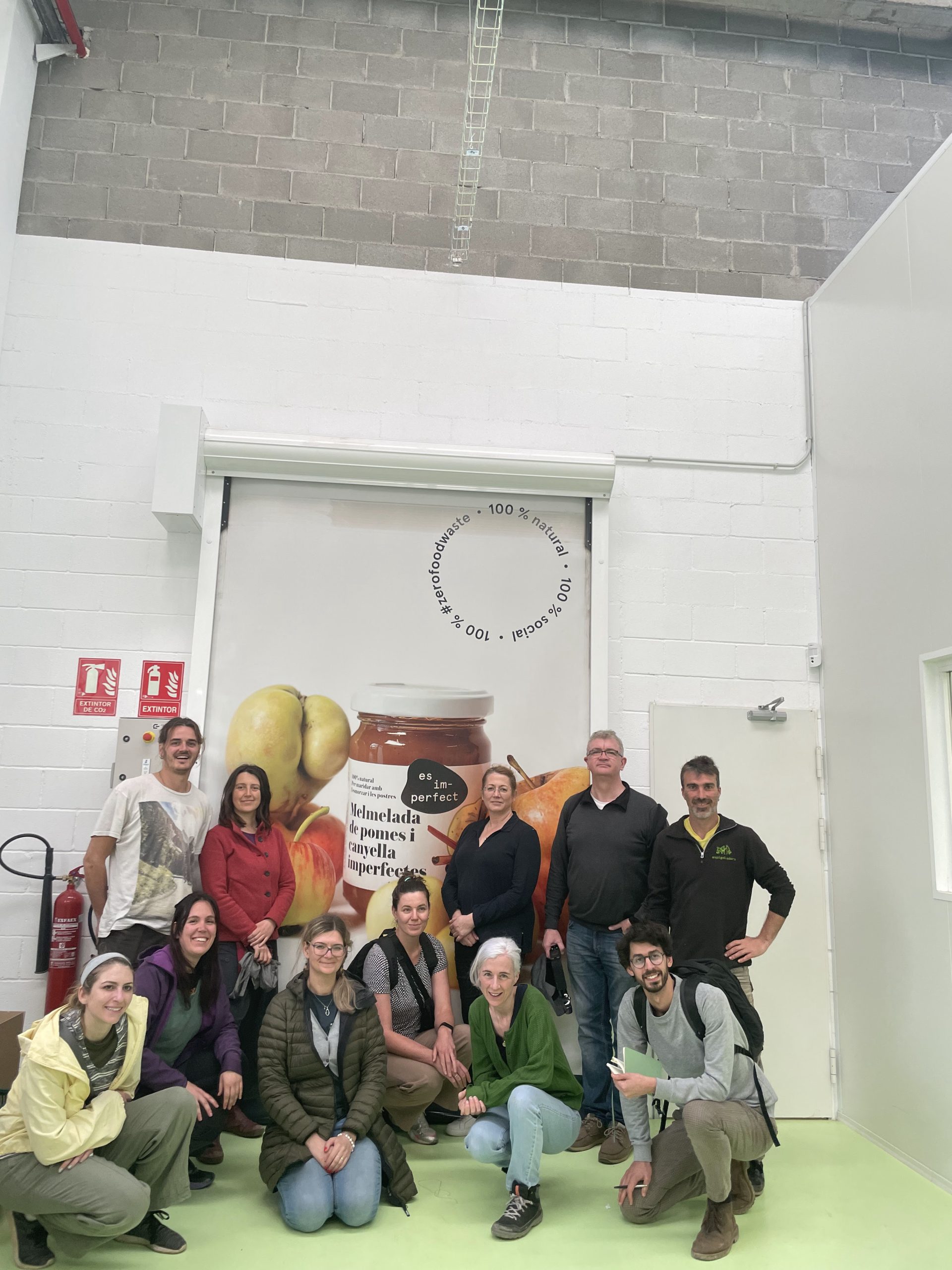
Photo credits: IIIEE, Lund University
BuurtBuik Utrecht Oost ‐ Utrecht
BuurtBuik is a non-profit FSI that reduces food waste by turning donated surplus food into free vegetarian meals for the community. In Utrecht, it runs six locations where volunteers collect food from local shops and prepare home-cooked dinners, often in open kitchens that encourage social interaction. Meals attract around 40 people per site, including older residents, immigrants, and those seeking company or language practice. Visitors describe the dinners as tasty and welcoming, with the social aspect often more important than the food itself. The FSI is part of a national network managed from Amsterdam, with local boards overseeing operations. Funding from municipalities and donations covers costs such as equipment and occasional food purchases. While hygiene compliance is informal, the focus remains on sustainability, inclusion, and creating a safe, friendly space. BuurtBuik plans to expand but faces challenges with fluctuating funding and volunteer availability.
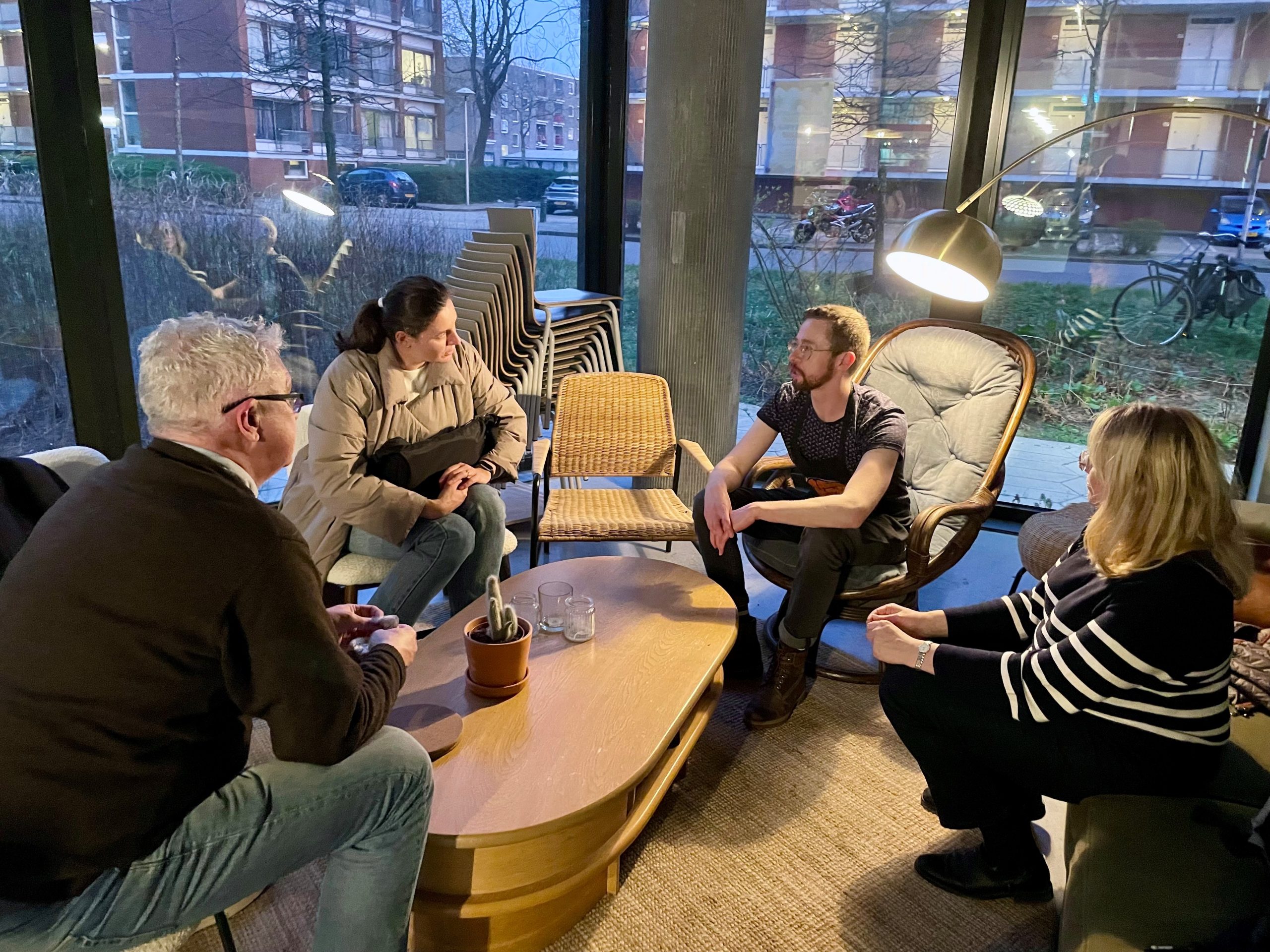
Photo credits: IIIEE, Lund University
Explore benefits of other food sharing initiatives