Benefits of food sharing initiatives that re-distribute surplus food
Food sharing initiatives (FSIs) that re-distribute surplus food can deliver the following sustainability benefits:
- Social benefits: enhancing food security for vulnerable groups, providing dignified access through social supermarkets, combating loneliness and exclusion
- Economic benefits: reducing household food costs, lowering disposal costs for retailers, building volunteer-driven economies, strengthening solidarity economies
- Environmental benefits: diverting edible surplus from landfill, reducing greenhouse gas emissions
- Other benefits: enhancing resilience in crises (e.g., pandemic, military conflicts, environmental migration), promoting food justice and dignity (social supermarkets)
Explore benefits of food sharing from the examples of FSIs in Barcelona, Milan and Utrecht below.
Solidando ‐ Milan
At the Gallaratese Food Waste Hub, Solidando operates a social supermarket with a unique “points” system. Families do not use money, but instead collect points that let them shop like in a regular store. This preserves dignity while ensuring access to fresh, healthy food. By recovering surplus food from markets and food donors, Solidando prevents food waste and strengthens the social economy. It has become a crucial lifeline for over a thousand families, showing how food re-distribution can balance social justice and sustainability.
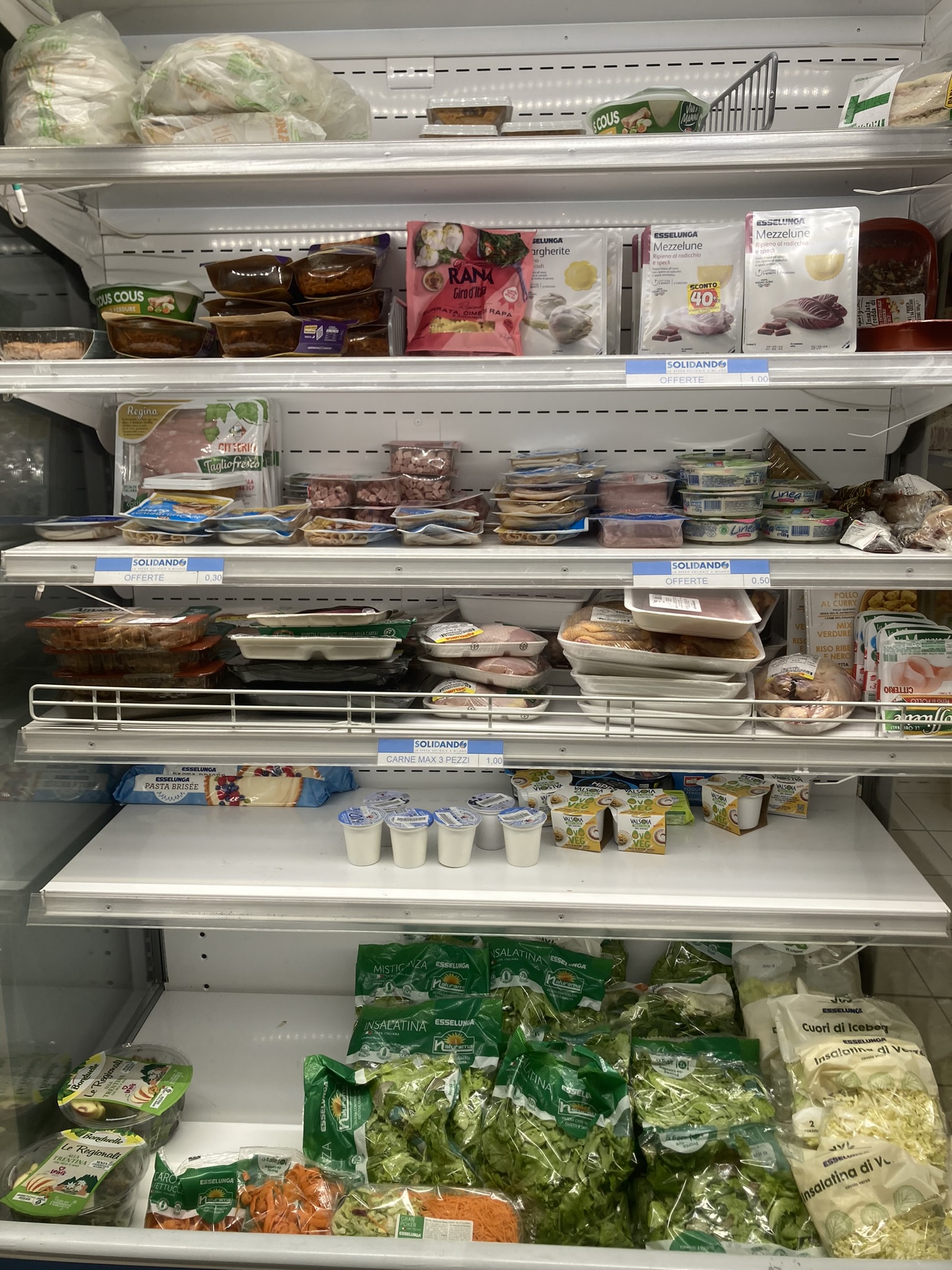
Photo credits: IIIEE, Lund University
La Botiga Social Supermarket ‐ Barcelona
La Botiga looks like a regular grocery store, with shelves full of stapled foods and bulk goods. But it is run as a municipally supported social supermarket, designed to fight food poverty in the city. Families on low incomes can shop here at significantly reduced prices, preserving the dignity of choice rather than depending on pre-packed aid parcels. Volunteers of all ages, from students to pensioners, help keep the supermarket running, reinforcing its role as a community hub as much as a place for affordable food. Beyond immediate relief, La Botiga connects people with workshops and activities that strengthen skills and community ties, turning a shopping trip into an entry point for inclusion and solidarity.
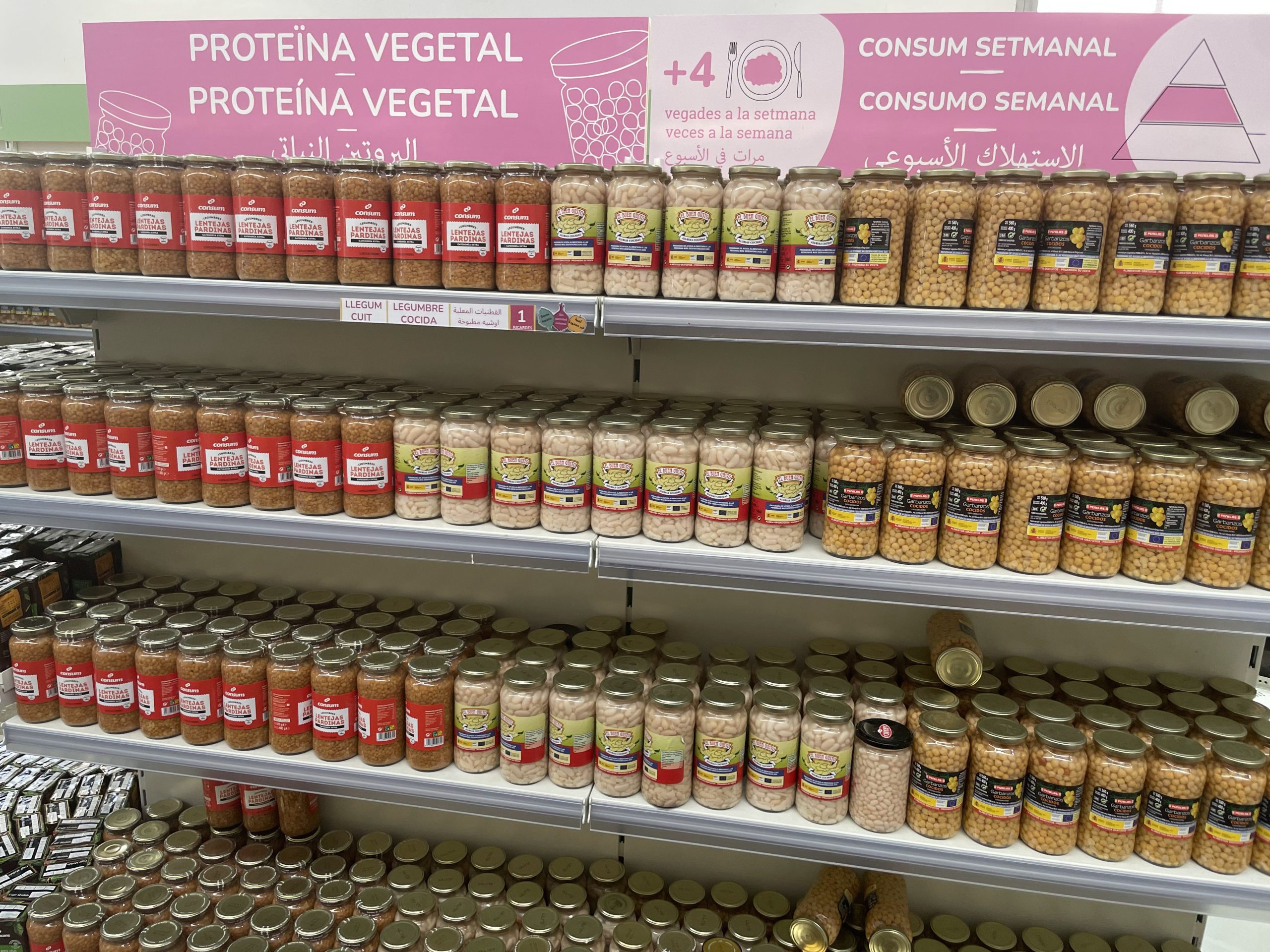
Photo credits: IIIEE, Lund University
Espigoladors ‐ Barcelona
Espigoladors began in 2014 as a response to high unemployment and the massive amounts of food left unharvested on farms around Barcelona. Volunteers join “gleaning days” in peri-urban fields, rescuing tons of fruits and vegetables that would otherwise go to waste. What started as a grassroots effort has grown into a foundation with its own central kitchen and a social enterprise brand, Es Imperfect. Here, surplus food is transformed into soups, jams, and sauces, creating dignified jobs for people at risk of exclusion. Today, Espigoladors combines environmental impact with social empowerment: it reduces food waste, improves access to healthy food, and helps people who have been excluded from the labour market to gain skills and find employment.
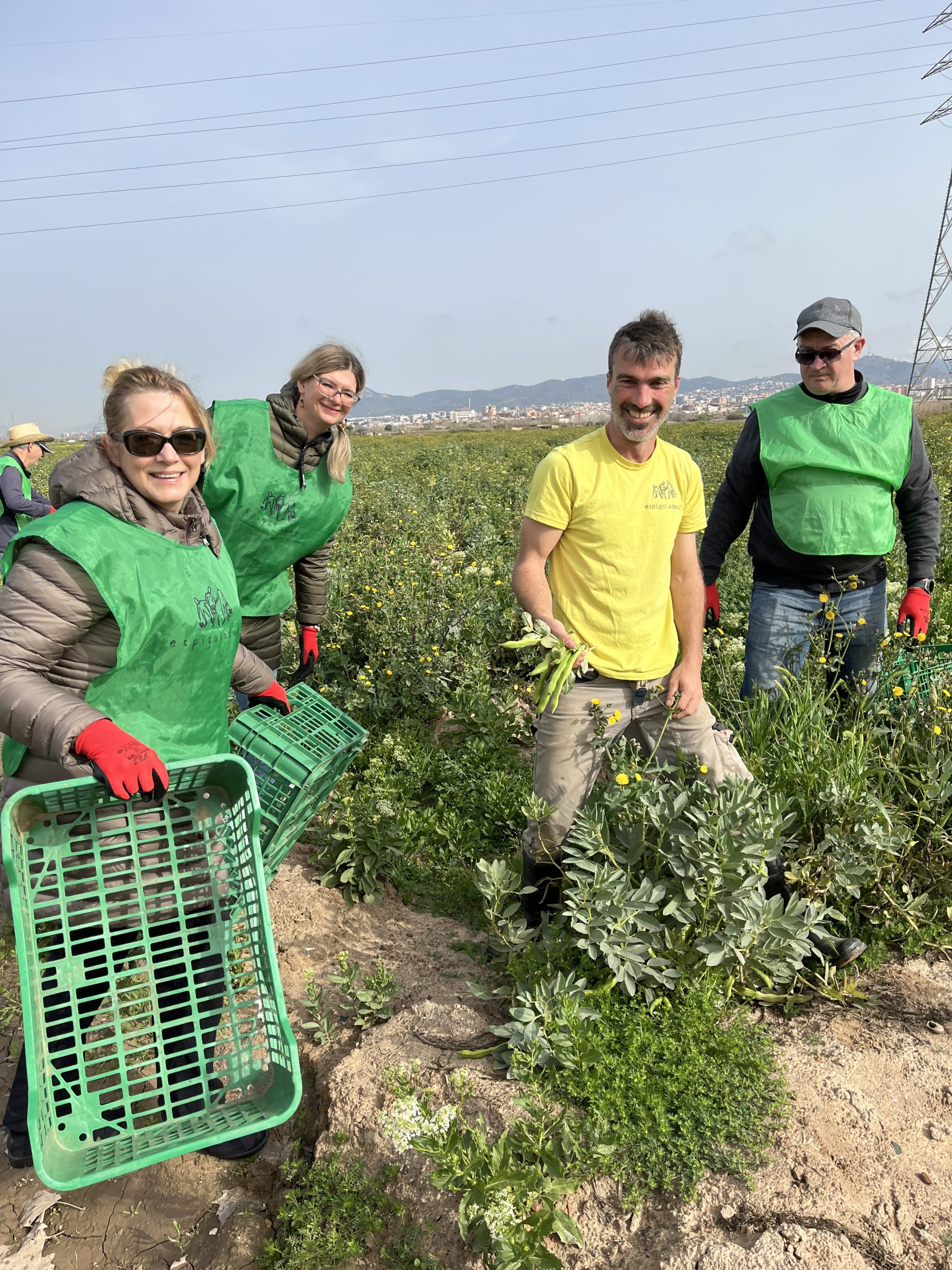
Photo credits: IIIEE, Lund University
Operation Food Freedom ‐ Utrecht
Operation Food Freedom in Utrecht’s Overvecht neighbourhood works to reduce food waste and strengthen community ties by distributing surplus and locally sourced produce. Residents can order weekly vegetable packages online, with options for anonymous donations that provide free food to those in need. The FSI collaborates with social projects and organises activities such as cooking workshops to share cultural knowledge and promote seasonal eating. Started in 2023, it now serves over 20 paying customers each week and plans to expand with a community kitchen, storage facilities, and educational programmes. Despite strong local networks, challenges include limited infrastructure, funding, and the need to engage diverse, low-income groups in one of the Netherlands’ most disadvantaged areas.
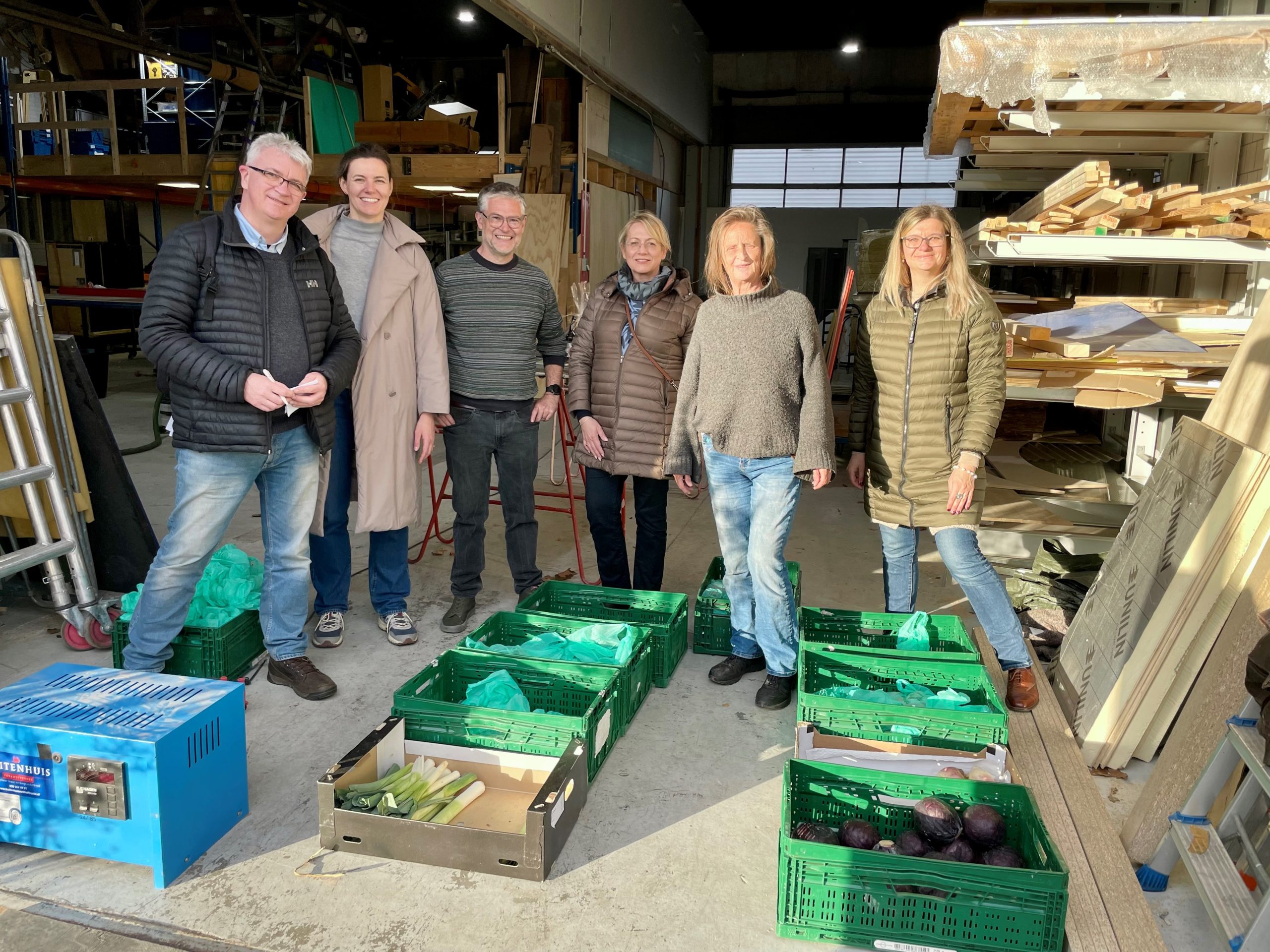
Photo credits: IIIEE, Lund University
Explore benefits of other food sharing initiatives